
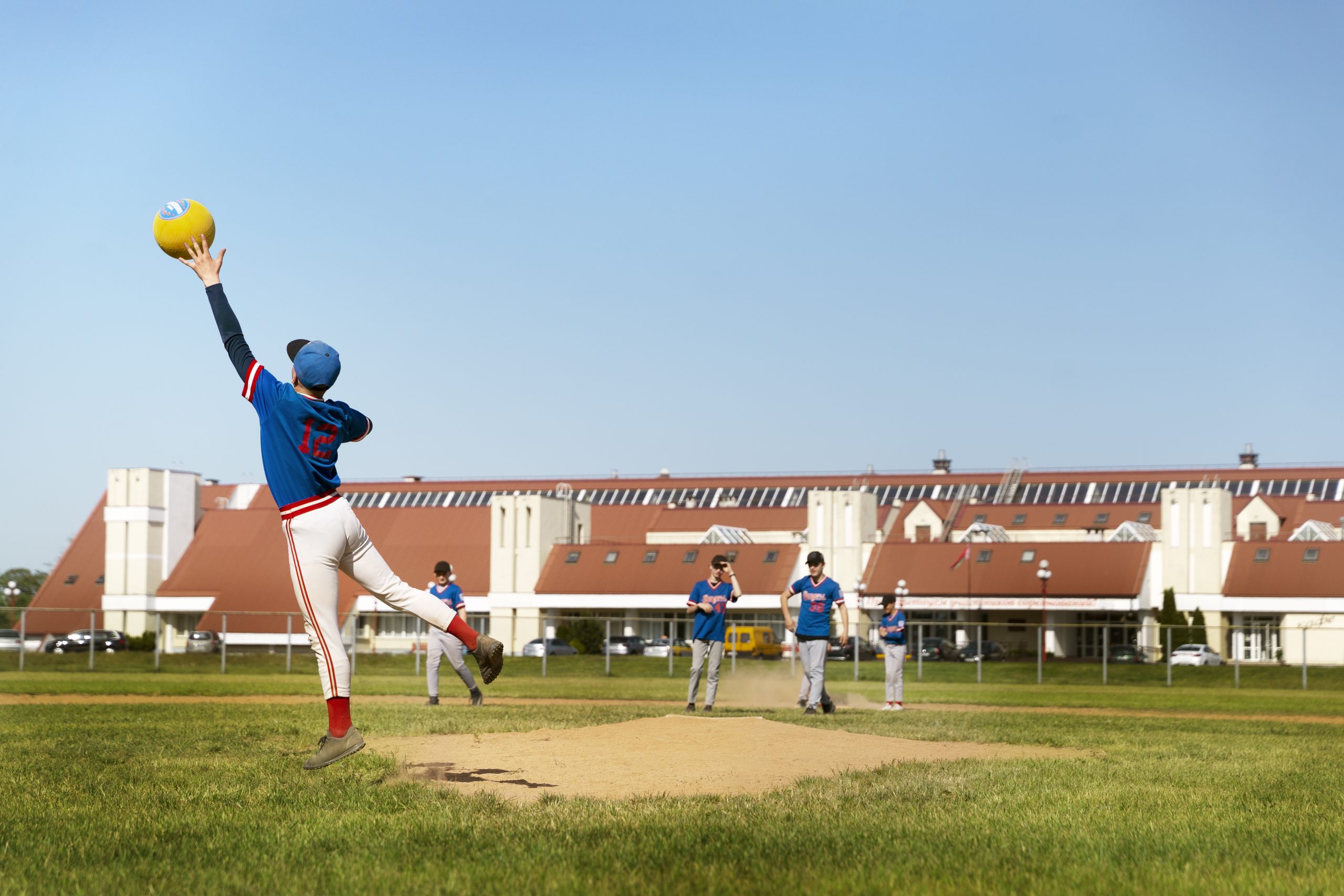
Amidst the economic strain sweeping across households nationwide, the foundational pillars of Australian community sports clubs find themselves threatened with collapse, as highlighted by the Australian Sports Foundation. The organization’s CEO, Patrick Walker, has raised alarm bells, emphasizing the significant impact of challenging economic conditions on the viability of local sporting entities. He asserts that these clubs serve as vital hubs within their communities, fostering social cohesion and providing recreational opportunities for people of all ages.
Walker’s concerns extend beyond the immediate ramifications for local communities, casting a shadow over Australia’s future talent pool in the lead-up to the Brisbane 2032 Olympic and Paralympic Games. The potential closure of community clubs, a vital breeding ground for aspiring athletes, could lead to a dearth of talent in the nation’s sporting landscape. This, in turn, threatens to undermine Australia’s competitiveness on the global stage.
A comprehensive survey conducted by the Australian Sports Foundation in 2023 paints a grim picture, revealing that rising costs are impeding participation and pushing many clubs to the brink of insolvency. The report underscores the harsh reality faced by community clubs, grappling with mounting running costs, dwindling volunteer numbers, and the lingering impact of COVID-19 alongside extreme weather events.
Of particular concern is the plight of smaller community clubs, which serve as the lifeblood of rural and regional towns. These clubs play a crucial role in shaping the sporting habits of young Australians and fostering a lifelong love for physical activity. Walker emphasizes the ripple effect of declining participation, noting that a lack of engagement during formative years could lead to a permanent disinterest in sports among future generations.
The economic pressures faced by families further exacerbate the challenges confronting community sports clubs. Casey McLoughlin, a single mother from Rockhampton, Queensland, epitomizes the struggles experienced by many. Despite the financial strain, McLoughlin remains steadfast in her commitment to ensuring her children—Jackson Poustie, 15, and 11-year-old twins Paige and Coby—have access to sporting opportunities. For McLoughlin, sports represent more than just recreation; they are a way of life and an essential avenue for her children’s personal development.
However, the escalating costs associated with sports participation pose a significant hurdle for McLoughlin and countless other families. The financial burden of travel, accommodation, levies, and uniforms has become increasingly unsustainable, forcing some families to make difficult choices about which sporting activities their children can pursue.
Amidst these challenges, there are glimpses of hope. The survey conducted by the Australian Sports Foundation revealed a notable increase in female participation across nearly 3,000 community sporting clubs. The Glenmore Bulls Australian Football Club, based in Queensland’s AFL Capricornia competition, is one such example. The club has witnessed a surge in junior girls players and has taken proactive steps to support families facing financial strain, offering free registration for new players in response to cost-of-living pressures.
Sean Peckover, president of the Glenmore Bulls, underscores the importance of supporting families during these challenging times. He acknowledges the difficulties faced by parents in juggling the financial demands of multiple sports and emphasizes the club’s commitment to providing assistance wherever possible.
As Australia navigates the complexities of its economic landscape, the future of community sports hangs in the balance. While the challenges are formidable, there is a collective determination among sporting organizations, communities, and families to ensure that the benefits of sports participation remain accessible to all Australians. It is through collaboration, innovation, and unwavering support that the resilience of Australia’s sporting spirit will prevail, safeguarding the legacy of community sports for generations to come.
Leave a Reply